Starting your journey with the National Disability Insurance Scheme (NDIS) can feel confusing, especially if you are applying for the first time. Many people ask the same question: How do I get started on the NDIS? When you understand the process, you can access supports that improve independence, daily living, and community participation. Moreover, taking the right steps helps you save time and reduce stress during the application stage.
This guide shows you how to get started on the NDIS and helps you understand eligibility, documentation, application steps, planning meetings, and common mistakes to avoid. Moreover, it explains the process in a simple way. In addition, it highlights what you need to prepare before applying. For example, it outlines the types of evidence that strengthen your application. Furthermore, it offers preparation tips for your planning meeting. As a result, you build confidence throughout the process. However, skipping steps may lead to delays. Therefore, by following these steps, you prepare yourself more effectively and move forward smoothly.
What Is the NDIS and how to get started on the NDIS?
The National Disability Insurance Scheme provides funding for people with a permanent and significant disability. It offers reasonable and necessary supports that help participants achieve their goals, increase independence, and stay involved in the community.
What the NDIS Provides
The NDIS funds supports such as:
- therapy services (OT, physio, speech)
- assistive technology
- personal care
- community participation
- capacity building programs
These supports aim to improve quality of life. Moreover, they help people participate socially and economically. In addition, they promote greater independence. For example, therapy services can increase daily living skills. Furthermore, community programs encourage social inclusion. As a result, participants feel more connected. However, the level of benefit depends on individual needs.
Who the NDIS Helps
The NDIS supports:
- children with developmental delays
- adults with permanent disabilities
- people who require ongoing support
However, eligibility is based on strict access requirements, not just a diagnosis. Moreover, the NDIA assesses how the disability affects daily functioning. In addition, they consider whether the condition is permanent. For instance, difficulties with mobility or communication may influence the decision. Furthermore, applicants must provide strong evidence from medical or allied health professionals. As a result, applicants must show how their disability impacts daily life. Consequently, clear and detailed reports can improve approval outcomes.
Follow These Steps to Get Started on the NDIS
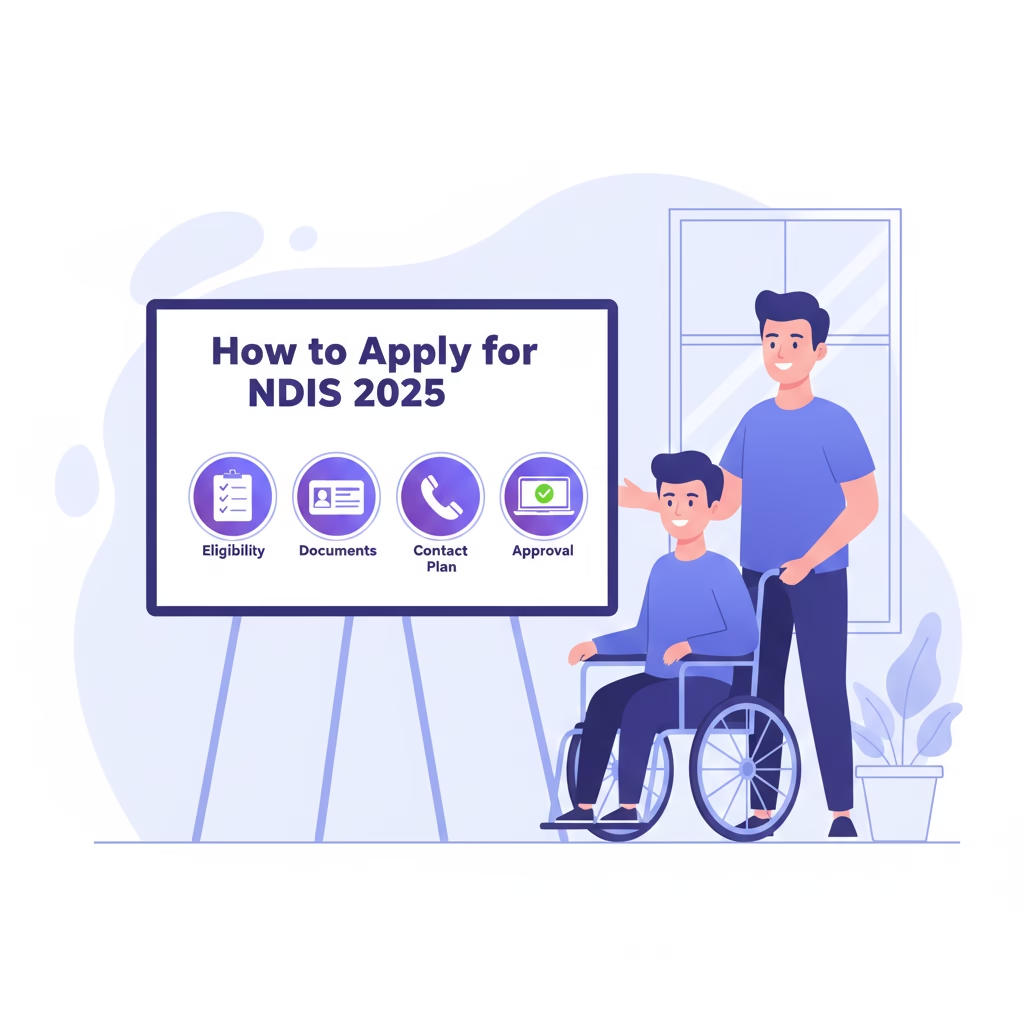
Before applying, you must check whether you meet the NDIS access requirements. Firstly, these include age, residency, and disability criteria. Moreover, the NDIA reviews whether your condition is permanent. In addition, they assess how it affects your daily life. For example, difficulties with self-care or communication may influence eligibility. Therefore, confirming these requirements early can save time.
Age Requirement
You must be under 65 years old when applying.
Residency Requirement
You must be:
- an Australian citizen
- a permanent resident
- or a Protected Special Category Visa holder
Disability Requirement
You must have a permanent and significant disability that affects daily functioning. For example, the disability may impact mobility, communication, self-care, or learning.
Early Intervention Requirement
Children and individuals who may benefit from early support may qualify under early intervention rules.
If you want more details, read our guide on what are the four requirements for access to the NDIS, which explains eligibility in depth.
If your application is approved, you will be invited to a planning meeting. This meeting determines what supports will be included in your plan.
Gather Your Evidence and Documentation
Strong evidence is essential for a successful NDIS application. Moreover, high-quality documentation can speed up approval. In addition, detailed reports from professionals strengthen your case. For example, functional assessments clearly show how your disability affects daily tasks. Furthermore, consistent information across documents reduces delays. However, incomplete or unclear evidence may lead to rejection. Therefore, gathering thorough documentation is crucial.
Medical Evidence
This may include:
- GP reports
- specialist letters
- diagnosis documents
Functional Evidence
Functional evidence shows how the disability affects daily life. For instance, this may include:
- occupational therapy assessments
- physiotherapy reports
- psychologist evaluations
Supporting Documents
You may also need:
- Medicare card
- identification
- proof of address
Start Your NDIS Journey by Submitting an Access Request
After gathering documentation, the next step is submitting an Access Request.
How to Apply
You can apply:
- by phone
- by email
- by completing a paper form
The NDIA will then review your information. In addition, they may request more evidence if needed.
What Happens After You Apply
Once submitted, your application enters the assessment stage. As a result, processing can take several weeks. However, providing clear evidence may reduce delays.
Use These Planning Tips to Get Started on the NDIS
If the NDIA approves your application, they will invite you to a planning meeting. This meeting determines what supports your plan will include.
What to Expect
You will discuss:
- goals
- daily challenges
- support needs
- living situation
Setting Goals
Goal setting is extremely important, as funding is based on goals. Therefore, be specific and realistic.
Bringing Support People
You may bring:
- family
- carers
- support coordinators
- therapists
They can help communicate your needs more clearly.
Use Your Plan and Supports to Start on the NDIS
Once approved, you will receive your NDIS plan.
Understanding Your Plan
Your plan will outline:
- funding categories
- goals
- support budgets
Choosing Providers
You can choose registered or non-registered providers depending on your funding type.
Using Your Funding
Funding can be:
- self-managed
- plan-managed
- NDIA-managed
Understanding the differences helps you use your funding effectively.
Avoid These Common Mistakes When You Get Started on the NDIS
Many applicants experience delays due to:
- missing evidence
- unclear functional descriptions
- vague goals
- incomplete forms
- poor preparation
However, you can avoid these issues by preparing thoroughly.
Get Started on the NDIS Successfully with These Tips
To increase your chances:
- gather strong reports
- be specific about daily challenges
- provide real-life examples
- ask professionals for support
- keep copies of all documentation
Furthermore, working with allied health professionals can strengthen your application.
Conclusion
Understanding how to get started on the NDIS is the first step toward receiving life-changing supports. By checking eligibility, gathering strong evidence, submitting a clear application, and preparing for the planning meeting, you can move through the process with confidence. Ultimately, the right preparation leads to better outcomes and improved independence.
FAQs
How Do I Apply for the NDIS and Get Started?
You can apply by phone, email, or through an Access Request Form.
What Documents Do I Need to Get Started on the NDIS?
You will need medical reports, functional assessments, and identification documents.
Can I Start on the NDIS Without a Diagnosis?
Yes, in some cases. However, you must show permanent and significant functional impact.
How long will it take me to get started on the NDIS?
Processing times vary, but it may take several weeks or months.
Who can support me to get started on the NDIS?
Support coordinators, advocates, and allied health professionals can assist you.
You can also check the NDIS Commission website for provider obligations and regulatory information.